Tour Description
Toro Biker experiences are always remembered for the roads our
routes take us along, the local food we discover and the cultural activities
that are part of the journey, but above all, they are remembered for the people
we share each experience with.
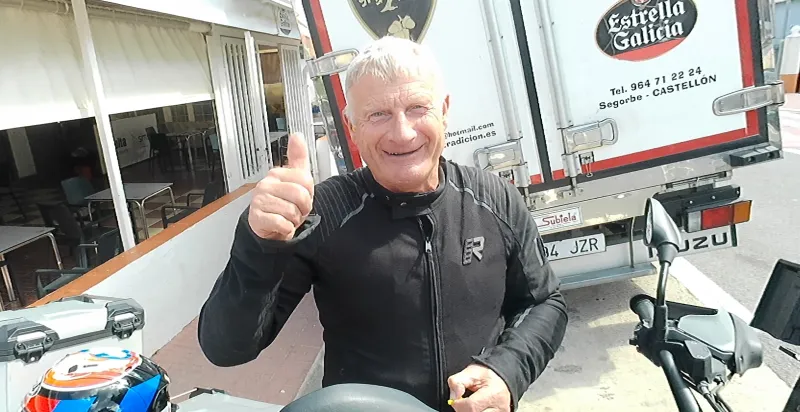
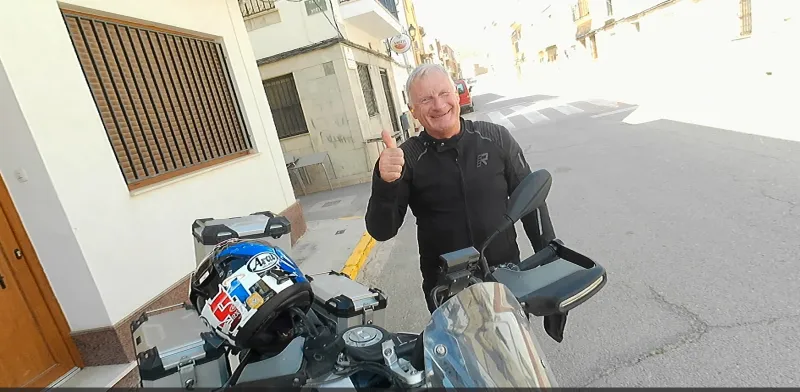
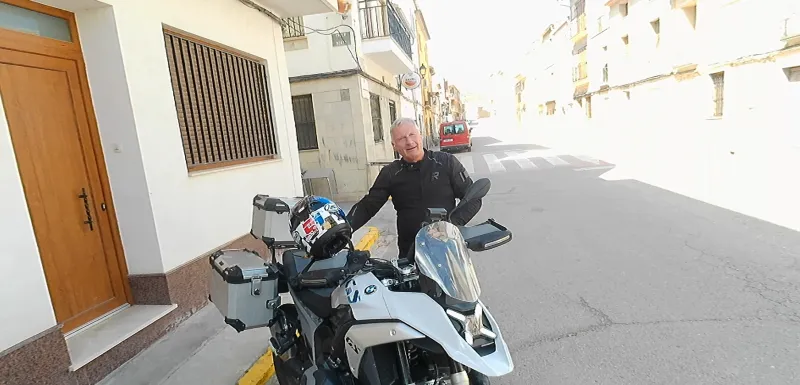
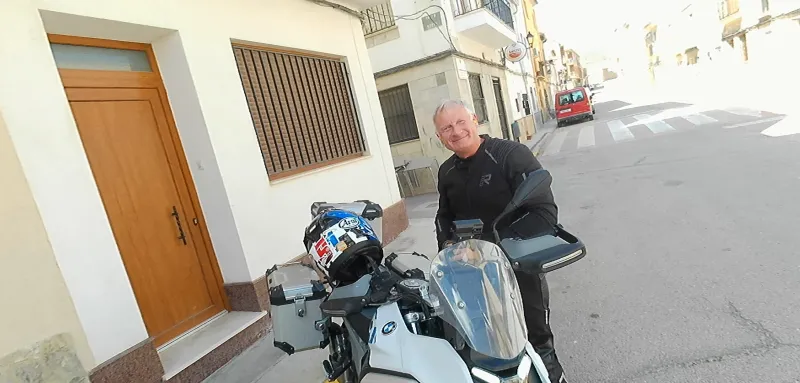
Richard came from England to enjoy nine days on a motorcycle,
exploring Valencia and some of the best roads in its inland areas, before
continuing towards Teruel and Cuenca.
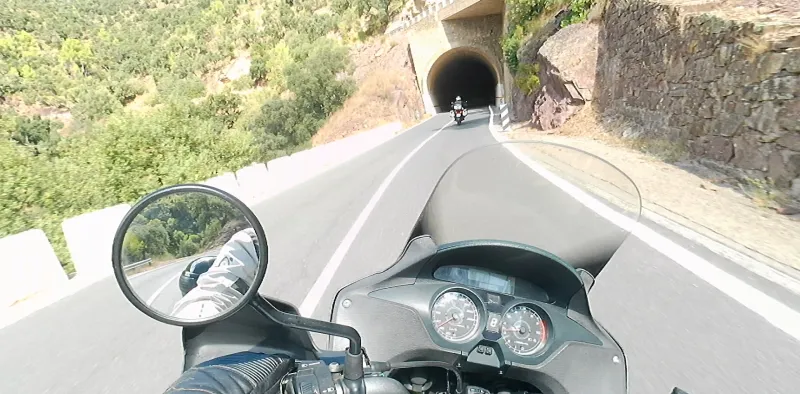
His bike was a BMW R1300GS, and the plan included mountain roads,
small villages, gastronomy and culture: the three fundamental pillars around
which we create our experiences.
What neither of us imagined was that the trip would end up becoming
a collection of memories that still come up from time to time in our
conversations today.
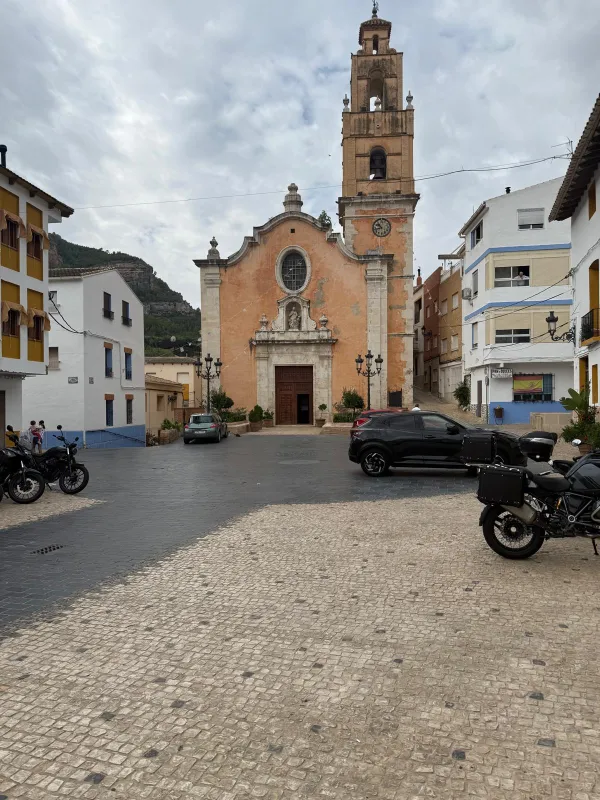
The first kilometres went exactly as expected. We left Valencia in
search of secondary roads, linking one set of bends to the next and passing
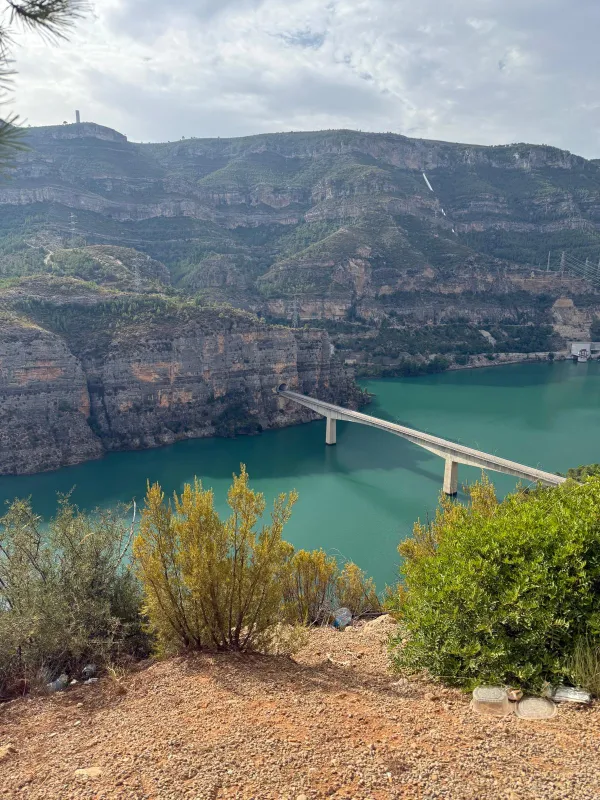
through places such as Dos Aguas, Cortes de Pallás, Benagéber and Chulilla, a
very different way of travelling from simply joining two points by motorway.
Here, distance is not what
matters; what matters is everything that happens between departure and arrival,
the roads you choose, the landscapes you ride through and the stops you make
along the way.
On the second day, as planned, two other participants joined us for
the rest of an experience that included the Ruta del Silencio, or Silent Route
as many riders outside Spain know it.
The trip, however, took an unexpected turn during the third stage.
The two riders who had joined us most recently had to leave the
experience early due to a series of personal circumstances, which forced us to
completely change the planned itinerary.
These situations happen very rarely, but when they do, you have to
stay calm, find solutions and keep moving forward.
I remember those moments perfectly because, while we were trying to
sort everything out, Richard never lost his smile. I never heard a complaint or
a reproach about having to change the plans or about ultimately missing the
Silent Route. From the outset, he understood that two people had seen their
circumstances change dramatically from one day to the next, and that solving
the problem mattered more at that moment than sticking to a timetable or an
itinerary.
Once we had sorted out their situation and said goodbye, we arrived
in Teruel that afternoon. We left the bikes in the hotel car park and went for
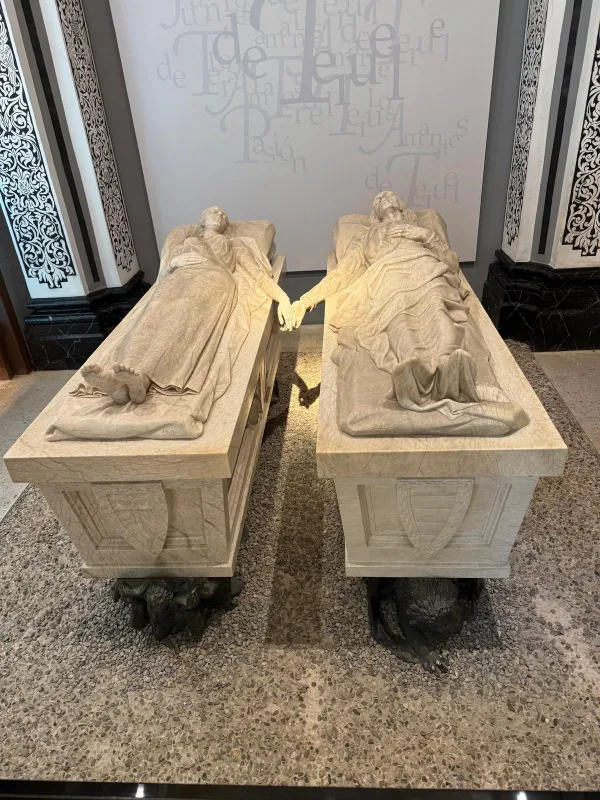
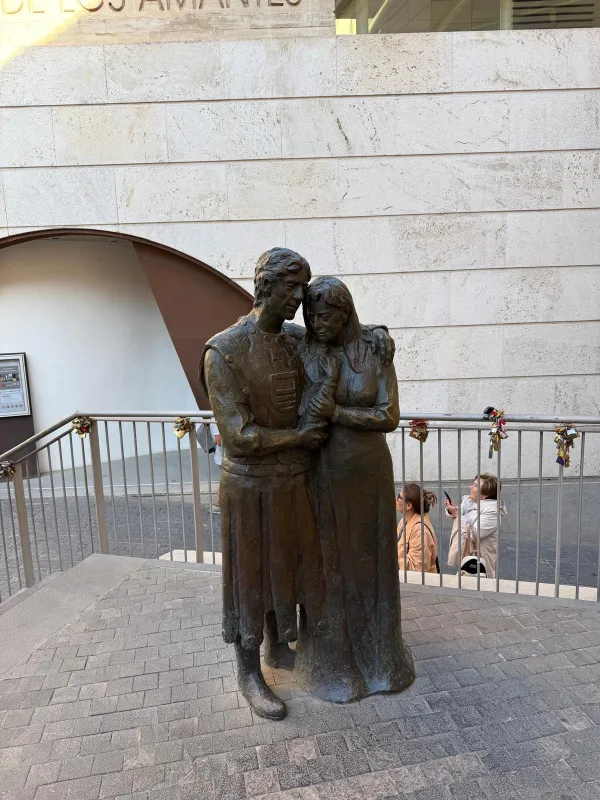
a walk around Plaza del Torico before visiting the Museum of the Lovers of
Teruel.
I have always liked that story, not only because of the legend
itself, but because of that small detail in the two sculptures: their hands are
stretched towards one another, separated by just a few centimetres, but never
quite touching. A simple symbol capable of summing up a love story that has
survived for centuries.
We took photos, wandered around the museum at our own pace and, when
we came out, sat on a terrace in the square for a beer. We were so comfortable
there that we decided to return a few hours later for dinner: Teruel ham, a
good cheese board, cured meats, several dishes to share and a bottle of Rioja
that was finally emptied long after the food had disappeared from the table.
We talked about motorcycles, England, Spain, our families, how
quickly the years go by and, in short, everything under the sun. It was one of
those dinners that never appears on a travel itinerary but ends up becoming one
of the best memories of the trip.
Changing the itinerary also meant changing some of the roads and
destinations, but not the philosophy of the experience.
We kept looking for secondary roads, bends, villages and places
worth stopping for, because that is precisely what riding a motorcycle through
this part of Spain allows you to do: in a relatively short distance you can
leave Valencia's Mediterranean landscape behind, climb into the mountain roads
of the interior, cross Teruel and continue towards the landscapes of Cuenca
without the day simply becoming an exercise in clocking up kilometres.
Back in Valencia, we spent a morning discovering the city on foot,
which is how I think it should be discovered.
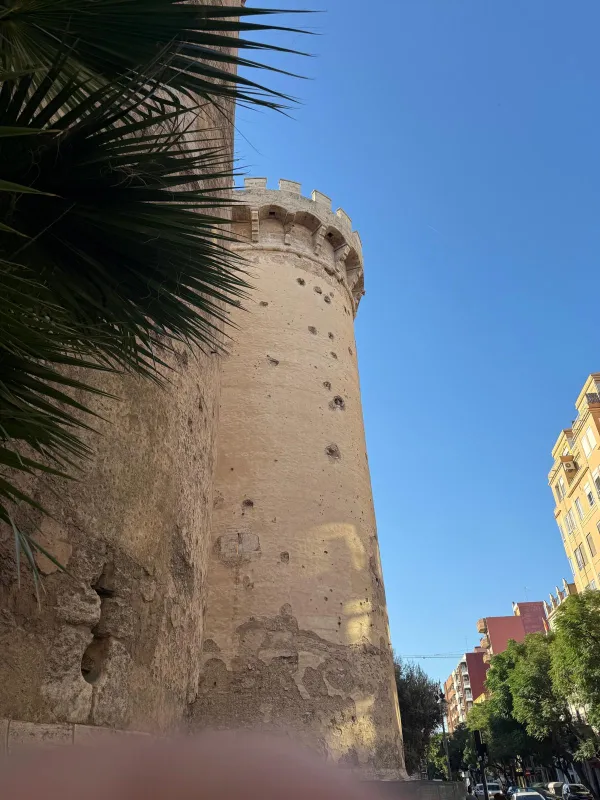
We entered through the Torres de Quart while I explained what old
walled Valencia had once been like, walked through the Barrio del Carmen,
reached the Central Market, admired the façade of the Palace of the Marqués de
Dos Aguas, stopped at the small Plaza del Negrito and even ended up going
inside the City Hall, a building I had never visited myself. We walked through
its rooms, stepped out onto the main balcony and took a few photos pretending,
for a moment, to be the city's mayors.
Then we found a terrace opposite the Central Market, ordered a salad
and simply enjoyed the atmosphere of an ordinary midday in Valencia, with no
rush, exactly as it should be.
Another day, our route took us to the Caves of San José, where we
travelled by boat along Europe's longest navigable underground river, a visit
that remains impressive no matter how many times you have done it.
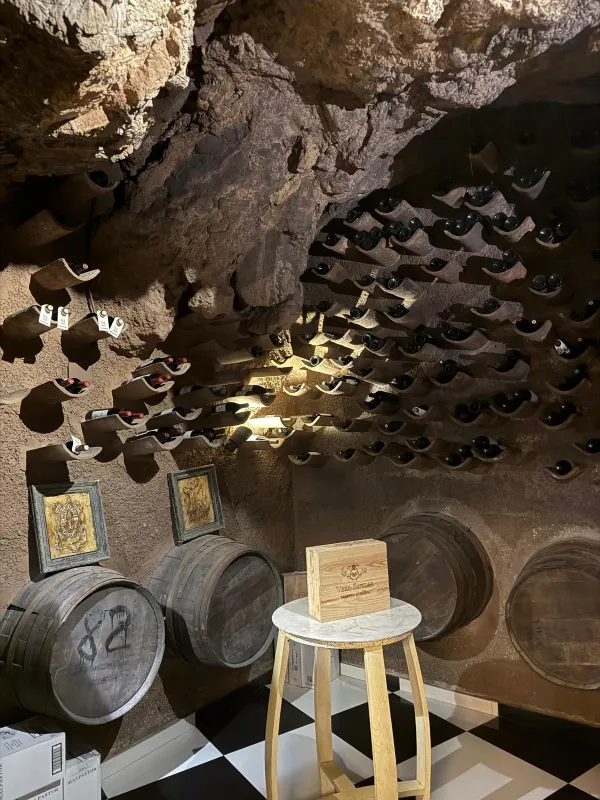
After the boat trip, we ate at La Gruta, a restaurant carved into
the mountain rock itself, which certainly lives up to its name.
I particularly remember some delicious mushrooms with truffle oil
that we shared. I had sea bass and Richard chose meat. It is one of those
places that, because of both the setting and the food, fits perfectly with what
we look for in a Toro Biker experience: the stop itself should be part of the
journey, not simply somewhere to eat. 100% recommended.
For the following day's route I had planned a stop that was very
special to me personally, a place away from the usual tourist circuits where I
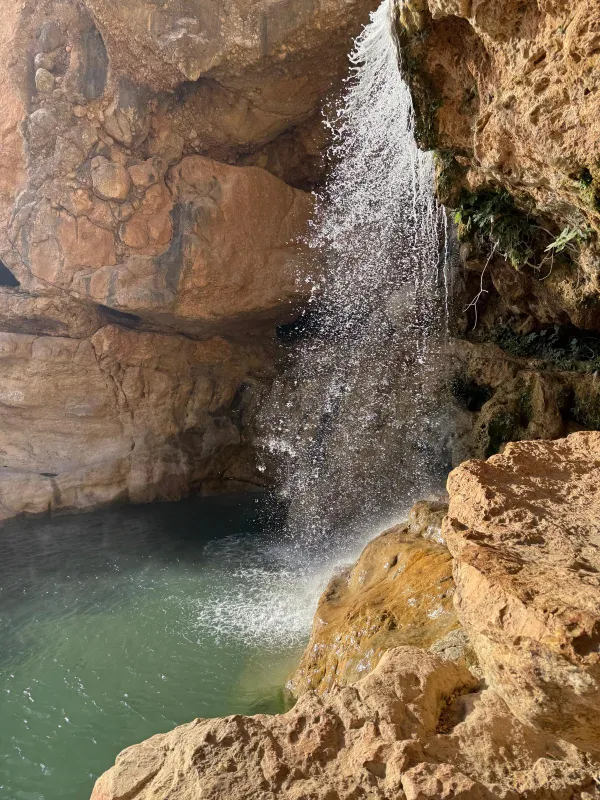
had spent much of my childhood and to which I return whenever I can: Cueva de
las Palomas, a natural cave with a 15-metre waterfall and a natural pool where
you can still swim in a genuinely wild setting.
I suggested that Richard put a swimsuit in his luggage, "just
in case". He smiled, but in the end decided not to bring it. When we
arrived, I changed right there, walked to the rock I used to jump from as a kid
and, without thinking twice, jumped into the water. It was cold, clean,
perfect.
While I enjoyed the swim, Richard watched the scene, amused and
slightly surprised. I think that was the moment he understood that this was not
simply another stop marked on a route, but a small journey back into my own
childhood, and that made him experience it differently too.
The motorcycles were
taking us from one place to another, yes, but what we were really doing was
sharing places and moments that are difficult to find when you simply follow
the tourist highlights in a guidebook.
Among the roads, meals, caves and activities, there was also time
for plenty of small stories, the kind that never appear in a brochure but are
often the ones you remember most fondly.
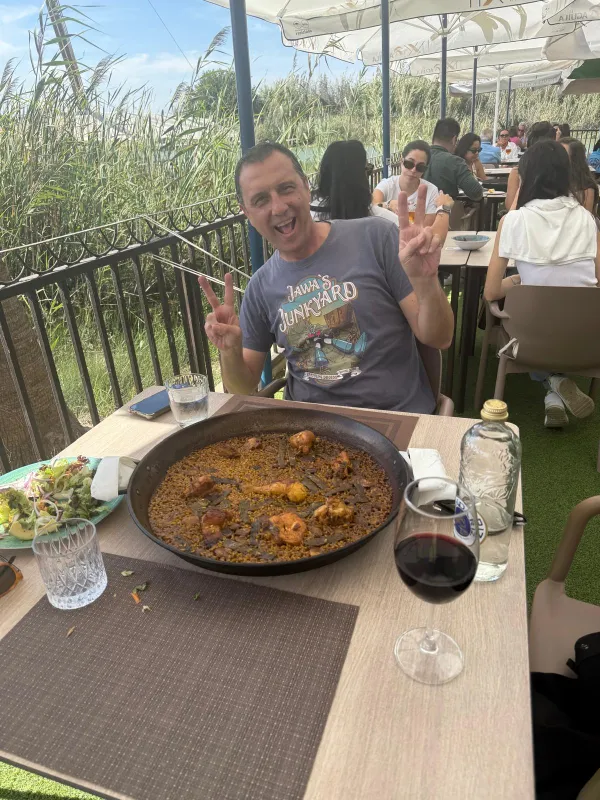
One of them involved the famous paella.
For several days I had been telling him that he could not go back to
England without trying an authentic Valencian paella. I had explained its
origins, its connection with the rice fields of l'Albufera and why, for us, it
is much more than just a typical local dish, so on one of the last days we
headed to El Palmar, stopped among the rice fields to take photos and enjoy the
landscape, and then sat down for lunch at El Rek.
I am the one who cooks paella at home and, when for whatever reason
I eat it out, this is one of the places I usually choose because, in my
opinion, they make some of the best rice dishes in Valencia. Another
recommendation I can make without hesitation.
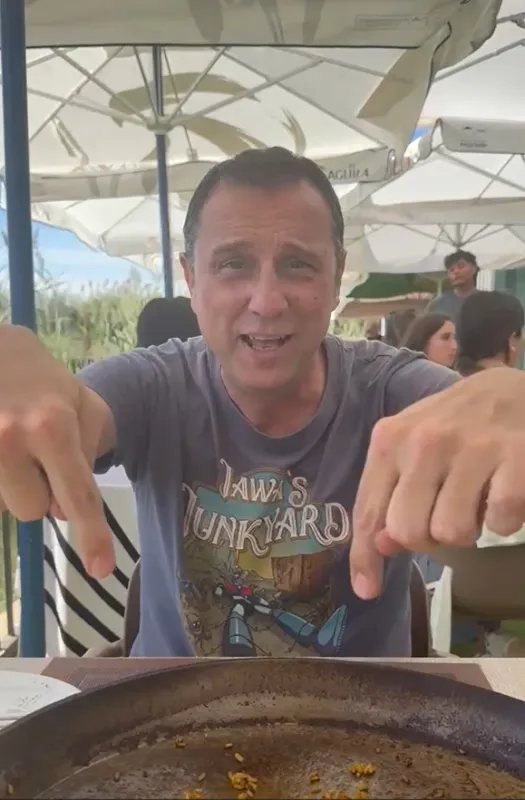
We were already enjoying the starters, a salad of Perelló tomatoes
with tuna belly and some calamari, while the paella was cooking, when Richard
looked at me very seriously and said: "Rafa, I have to confess something.
I don't like rice." I still laugh when I remember it.
After several days of me talking to him about Valencian paella, it
turned out the man didn't even eat rice!
I told him he could have
mentioned it earlier and we would have ordered fideuà or something else, but he
insisted that he wanted to try it: "After everything you've told me about
it, I can't leave without eating it."
And there he was, the man who had spent years refusing to eat rice
despite his wife and daughter's attempts, trying a paella in El Palmar. Can you
picture it?
The first thing he did after trying it - and he liked it, I can
confirm - was take a photo and send it to his family.
A few seconds later he
started laughing as he looked at his phone: "My wife and daughter say they
want to meet you."
When I asked him why, the
answer was simple: "Because they've spent my whole life trying to get me
to eat rice without success... and you're the only one who's managed it."
That kept us laughing for quite a while.
It was not the only Valencian tradition he took home with him.
During a mid-morning coffee stop on one of our routes, I ordered him
a cremaet - a coffee drink made with rum and spices - so he could try another
of our local specialities. I showed him how it was made and even recorded a
video so he could make one himself when he got home.
Some time later he messaged me to say that he had made one in
England and that his wife had liked it too. Mission accomplished!
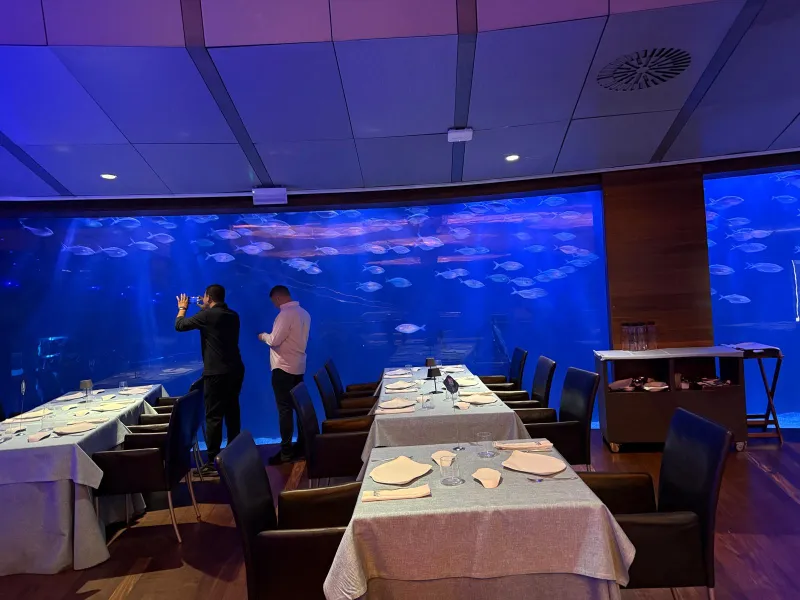
One evening we went for dinner at the underwater restaurant at the
Oceanogràfic.
I had really wanted to show it to him because the setting is
spectacular and dining surrounded by the huge aquarium is impressive, although
that night I came away with two disappointments.
The first was discovering that the sharks rest at the bottom of the
aquarium at night, so if you go for dinner, don't expect to see them swimming
around you.
The second was the food. The service was fine, but I honestly
expected much more from somewhere so special and, in my opinion, the dishes did
not live up to the surroundings.
Even so, the restaurant is worth experiencing for the setting, and
perhaps the food is different at lunchtime. Try it if you want, but not with my
most enthusiastic recommendation.
There was also time for the occasional scare, including one
involving the BMW R1300GS and its Keyless system, which gives me the perfect
opportunity to share a real experience and explain why, personally, it is not a
system I particularly like on a motorcycle.
At one of our stops, without realising it, the BMW's electronic fob
was left hanging with the rest of the keyring from the top-case lock. Because
the bike could still detect it, Richard was able to start normally and continue
riding.
Little by little, with the vibration and movement, the physical
top-case key worked its way out of the lock until the whole keyring eventually
fell onto the road, including, of course, the Keyless fob.
The motorcycle kept running, and it was not until we joined the
motorway that it warned us that the key was out of range.
At that point we had four motorcycles stopped on the hard shoulder,
and the first priority was to get the three bikes that could continue moving
away from there as quickly as possible. Richard climbed onto my bike, we rode
to the next exit and left our companions having a coffee while we went back to
look for the keyring.
Our first instinct was to return all the way to the place where we
had stopped and retrace the entire route, around forty kilometres, scanning the
verges and both sides of the road.
We found nothing.
Then I realised the detail that should have occurred to us from the
beginning: if the BMW had only warned us that the key was out of range when we
joined the motorway, the keyring must have fallen relatively close to that
point, not forty kilometres earlier.
We returned to the motorway access and, as we rode through the entry
bend, there it was, lying in the middle of the opposite lane. We looked at each
other and started laughing when we realised how absurd our search had been. We
had been lucky, but the story was not over yet.
The fall had physically damaged the fob, and that created a second,
much more serious concern: the bike started again, but Richard had no certainty
that, if he switched it off once more, it would recognise that battered key
again.
We were a long way from
Valencia and still had to continue the journey, so he made a very logical
decision in the circumstances: not to switch the BMW off.
For the rest of that day the motorcycle remained running at all
times. Even when we stopped for a café con leche, the bike stayed running on
the pavement outside the bar, so we would not risk becoming stranded in a
remote place.
It was only when we reached the hotel, with the bike finally
somewhere safe, that he dared switch it off and check whether it would start
again.
Everything ended well, but that experience reinforced an opinion I
already had about Keyless systems.
I completely understand
the advantages of technology and everything it has brought to vehicle safety
and convenience, but on a motorcycle I prefer a conventional ignition key.
A simple oversight such as leaving the keyring in the top case
allowed the bike to start and move away from the fob until it eventually fell
onto the road. If we had not found the key, the entire day would have changed:
we would have had to remove the motorcycle from the road, arrange a recovery
vehicle and work out how to get a valid key before we could continue the trip.
Can you lose a conventional key too? Of course, but normally, if you
do not have the key, you cannot start the bike and the problem appears in the
same place where you lost it.
In our case the Keyless system did exactly what it was designed to
do and the motorcycle did not suddenly stop while we were riding, which would
obviously have been dangerous, but the convenience of the system also allowed a
small mistake to travel with us for many kilometres.
This is a personal
opinion, not a judgement against technology, but since that day I have been
even more convinced that, if you ride a motorcycle with Keyless, the fob should
always stay on you, preferably in a zipped jacket pocket and never in the pouch
with the rest of the keys.
We still laugh when we remember that story, because travelling is
also about collecting anecdotes that, with time, become every bit as important
as the roads you rode.
Every journey comes to an end and, after nine days of riding roads,
visiting towns, discovering hidden corners, sharing meals, conversations and
more than a few stories that we still remember today, it was time to take
Richard to the airport.
We said goodbye with a genuine hug and the kind of smile that needs
very little explanation when you know you have had a truly great time.
As time has passed, we have kept in touch from time to time.
Sometimes we remember the paella, the cremaet or that BMW key that decided to
make a break for freedom, and we laugh just as much as we did then.
For me, that is the best
example of what this kind of experience really means: not that everything goes
exactly as written in the programme, because real journeys rarely do, but
knowing how to adapt when something unexpected happens and continuing to enjoy
the road, the places and, above all, the people you share them with.
Richard arrived as a
client and left as a friend.
I honestly cannot think of a better ending to a story like this.
Back home, this is what he wrote
Read Richard's review on Google ⭐⭐⭐⭐⭐
Read Richard's review on Trustpilot ⭐⭐⭐⭐⭐
Key Information
Highlights
Clothing
Notes
Difficulty Level
Exclusively for expert motorcyclists
Tour Itinerary
Tour Activities
Guided routes Included
Included in our tours, "Guided Routes" offer an immersive experience led by expert local guides. These carefully planned routes take you through the most scenic and culturally rich areas, providing insights into the history, traditions, and hidden gems of each destination. Whether exploring breathtaking landscapes, historical landmarks, or local neighborhoods, the guided routes ensure you don't miss anything significant. With a knowledgeable guide by your side, you'll gain a deeper understanding and appreciation of the destination, making your journey even more enriching.
Motorcycle assignment Included
Pick-up of the motorcycles assigned to each participant of the tour.
Flamenco show
The “tablao” dinner offers an unforgettable flamenco show in a place rich in artistic and cultural heritage. Recognized by UNESCO, flamenco moves souls worldwide. Enjoy an authentic performance paired with exquisite Mediterranean cuisine in an intimate setting—a unique experience honoring flamenco’s deepest traditions.
Lunch at underwater restaurant
The Submarine Restaurant at Valencia’s Oceanogràfic serves high-quality Mediterranean cuisine in a unique setting: dining surrounded by over 10,000 fish in a circular aquarium designed by Félix Candela. Lunch or dinner—reservations required for this unforgettable experience.
Oceanografic
Discover Valencia’s Oceanogràfic with ToroBiker on an exclusive behind-the-scenes tour. Explore Europe’s largest aquarium, see marine ecosystems, visit the fish kitchen, quarantine, and animal care areas. Walk over the shark tunnel and enjoy a unique 4-5 hour adventure into the underwater world.
Valencia Icons Tour
Panoramic tour of the main monuments and the most iconic spaces of the city of Valencia
Valencian Paella
A globally celebrated dish from Valencia (Spain), traditionally cooked in a wide, shallow pan (paellera). Key ingredients include bomba rice, saffron, chicken, rabbit, green beans ("ferraura"), flat white beans ("garrofón"), and occasionally snails. Simmered in a rich chicken and vegetable broth, it's finished over wood fire (often orange tree wood) for a smoky touch. The perfect texture features separated grains and a crispy bottom layer (socarrat). Awarded Protected Geographical Indication (PGI) by the EU in 2022. Served at gatherings as a cultural icon.
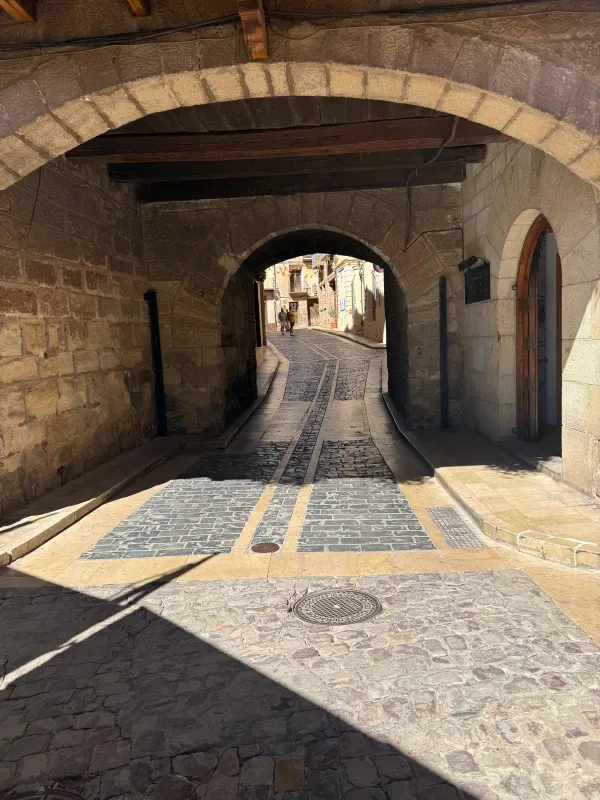
Visit Mora de Rubielos
Immerse yourself in the history and beauty of Mora de Rubielos! This picturesque Aragonese town, with its majestic 14th century castle and cobbled streets full of charm, will transport you to medieval times. Explore the old town, visit the impressive Collegiate Church of Santa María and enjoy the views of the Sierra de Gúdar.
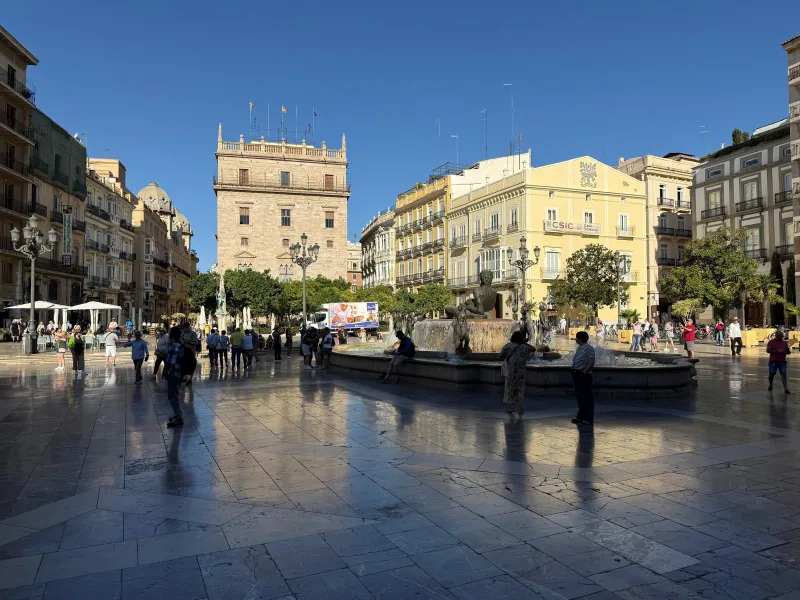
Visit Teruel
Discover Teruel’s Mudejar towers, the romantic legend of the Lovers, and the vibrant Plaza del Torico. Visit the Cathedral, the Escalinata del Óvalo, and the San Martín Tower. End your walk at the Old Viaduct and enjoy the city's unique blend of heritage, beauty, and emotion.
Tour Gallery
Included in the Tour
Activities and experiences
Airport/Hotel Transfer
Breakfast
Toro Biker Guide
Motorcycle
Toro Biker´s gift set
Accommodation
You Never Ride Alone (YNRA) VIP SERVICE
Toro Biker's VIP personalised assistance service accompanies you before, during and after your motorcycle experience. We are here to help with any questions, requests or unexpected situations, so you can simply relax and enjoy every mile without a single worry.
Not included in the Tour
Air ticket
Gasoline
Lunch
Not specifically
Everything not specifically stated in the included service